What Designers Should Know About Sewing and Layering EMF Hats
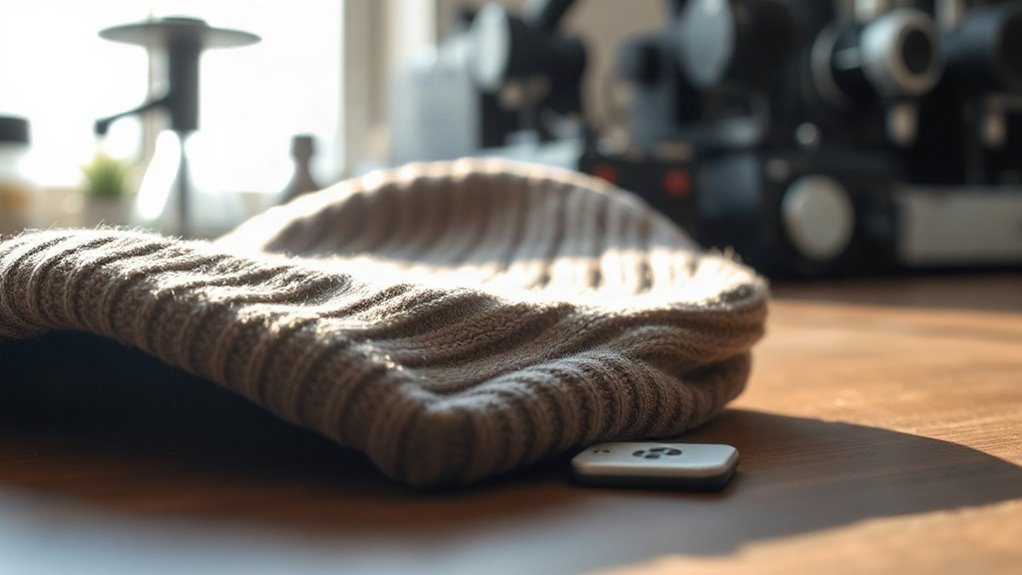
Choosing EMF hat can feel technical at first, but the main questions are practical. A good choice balances function with comfort, durability, cost, and ease of production. A few clear checks can keep the process simple and useful. That keeps the first comparison tied to a real need instead of a vague claim.
The focus is on useful checks that can be applied before sampling, sewing, or ordering in bulk. A clear plan can prevent costly changes later. A hat is only one part of an exposure-management plan, and its effect depends on design and fit. The same notes can be used again when a second sample or repeat order is reviewed.
When reviewing sources, a page focused on Emf hat can help you compare material types and possible end uses. Use the link as a starting point, then match the exact material to the project specification. Once a sample arrives, the team can compare the real fabric with the written project needs.
Brief Overview
- Define the end use before choosing a form of EMF hat.
- For EMF hats, compare conductive knit with other suitable constructions instead of relying on one product name.
- Look at coverage area when that measure supports the planned use.
- Plan seams, openings, overlap, and wear points before the first full-size sample.
- For EMF hats, retain sample notes and care rules so the same choice can be reviewed during a repeat order.
Plan the Layer Before You Cut
For wearables, place rough or metallic surfaces away from direct skin contact when needed. For panels, measure finished dimensions after hems so the coverage area is not reduced by surprise. For EMF hats, if grounding is part of the design, use only a method made for that purpose and verify the connection. Build one prototype, inspect it, and test it before changing the pattern for bulk work. A careful first build usually saves more time than fixing many finished pieces.
A sound design keeps the functional layer as continuous as the project allows. Plan seams, hems, openings, and closures before cutting EMF hat. Extra overlap can help reduce open paths at joins. Thread and stitch choice should also suit the base cloth and its coating. For EMF hats, very tight stitching can damage some coated materials, while loose joins can create gaps before bulk work begins.
Seams, Overlap, and Contact Points
Extra overlap can help reduce open paths at joins. For EMF hats, thread and stitch choice should also suit the base cloth and its coating. Very tight stitching can damage some coated materials, while loose joins can create gaps. For wearables, place rough or metallic surfaces away from direct skin contact when needed. For EMF hats, for panels, measure finished dimensions after hems so the coverage area is not reduced by surprise.
For EMF hats, if grounding is part of the design, use only a method made for that purpose and verify the connection. Build one prototype, inspect it, and test it before changing the pattern for bulk work. A careful first build usually saves more time than fixing many finished pieces. For EMF hats, a sound design keeps the functional layer as continuous as the project allows. Plan seams, hems, openings, and closures before cutting EMF hat during sample review.
Balance Shielding With Comfort
For EMF hats, a careful first build usually saves more time than fixing many finished pieces. A strong design keeps the functional layer as continuous as the project allows for the planned build. Plan seams, hems, openings, and closures before cutting EMF hat. For EMF hats, extra overlap can help reduce open paths at joins. Thread and stitch choice should also suit the base cloth and its coating.
Very tight stitching can damage some coated materials, while loose joins can create gaps. For wearables, place rough or metallic surfaces away from direct skin contact when needed. For broader sourcing context, silver fiber fabric can be reviewed before the team confirms a final sample. For EMF hats, for panels, measure finished dimensions after hems so the coverage area is not reduced by surprise. If grounding is part of the design, use only a method made for that purpose and verify the connection. Build one prototype, inspect it, and test it before changing the pattern for bulk work.
Test the Finished Design, Not Just the Swatch
Those details can create paths where signals or heat move around the barrier. Compare test methods, sample thickness, and frequency points when two products look similar in a real product. For EMF hats, if a project is important, test a finished prototype in the same form that customers will use. Clear records make later reorders easier because the team knows what was actually checked. Useful performance data should reflect the way EMF hat will be used.
Look for seam design rather than relying on one broad claim. For EMF hats, shielding results can change with frequency, so the test range matters. A high result at one band does not describe every signal or every use. Lab data normally describes a test sample under set conditions. For EMF hats, the finished item may add seams, openings, folds, fasteners, or areas with less overlap for the planned build.
Frequently Asked Questions
How important is fabric width when ordering EMF hat?
For EMF hats, width can affect yield, seam count, labor, and waste. For EMF hats, a wider roll may reduce joins in curtains, covers, or room panels. For EMF hats, a narrow width may still suit small pouches or garment parts in a real product. For EMF hats, compare usable width rather than nominal width alone. For EMF hats, include hems and overlap in the cutting plan rfid blocking fabric before you estimate how much material is needed.
Can seams reduce the effect of EMF hat?
For EMF hats, they can. For EMF hats, a seam can create a break, thinner area, or open path in the functional layer. For EMF hats, the effect depends on the product and the way the seam is built. For EMF hats, plan overlap and closure details early in a real product. For EMF hats, when the project is important, test the finished seam or complete item rather than assuming the flat fabric result will stay the same.
Does a thicker EMF hat always work better?
No. Thickness alone does not show how well a functional textile will work. Fiber, coating, weave or knit, and the target condition can all matter. A light mesh may suit one job while a dense woven cloth suits another for the planned build. Compare data from similar test conditions. Also review seams and openings in the finished design.
Why test the finished product as well as the fabric?
A swatch is tested as a flat sample, but a finished item adds seams, hems, folds, closures, and open edges. Those details can change the result. A complete-piece test gives a better view of real use. It can also reveal design issues before bulk production. Retain the method and sample details with the project record for the planned build.
What information should a supplier provide for EMF hat?
Useful details include composition, construction, width, weight, care rules, and relevant test information. Ask whether the item is stock or custom. Confirm the sample code and the bulk specification. For repeat work, also ask how changes in yarn, coating, or base cloth are controlled between batches.
Summarizing
EMF Hats is easier to choose when the project is reduced to a few clear needs. Start with the end use, then compare construction, width, feel, test data, and care. Build a sample with the real seams and openings. Review it before bulk production. This keeps the decision tied to the finished item instead of one claim or one number.
Keep the approved sample, supplier details, and key checks in the project file. That record can make later orders faster and more consistent. A careful design does not need to be complex. It needs clear requirements, suitable materials, and a final check that reflects real use. Those steps give buyers and designers a practical way to work with EMF hat.